Choosing Health, One Layer at a Time
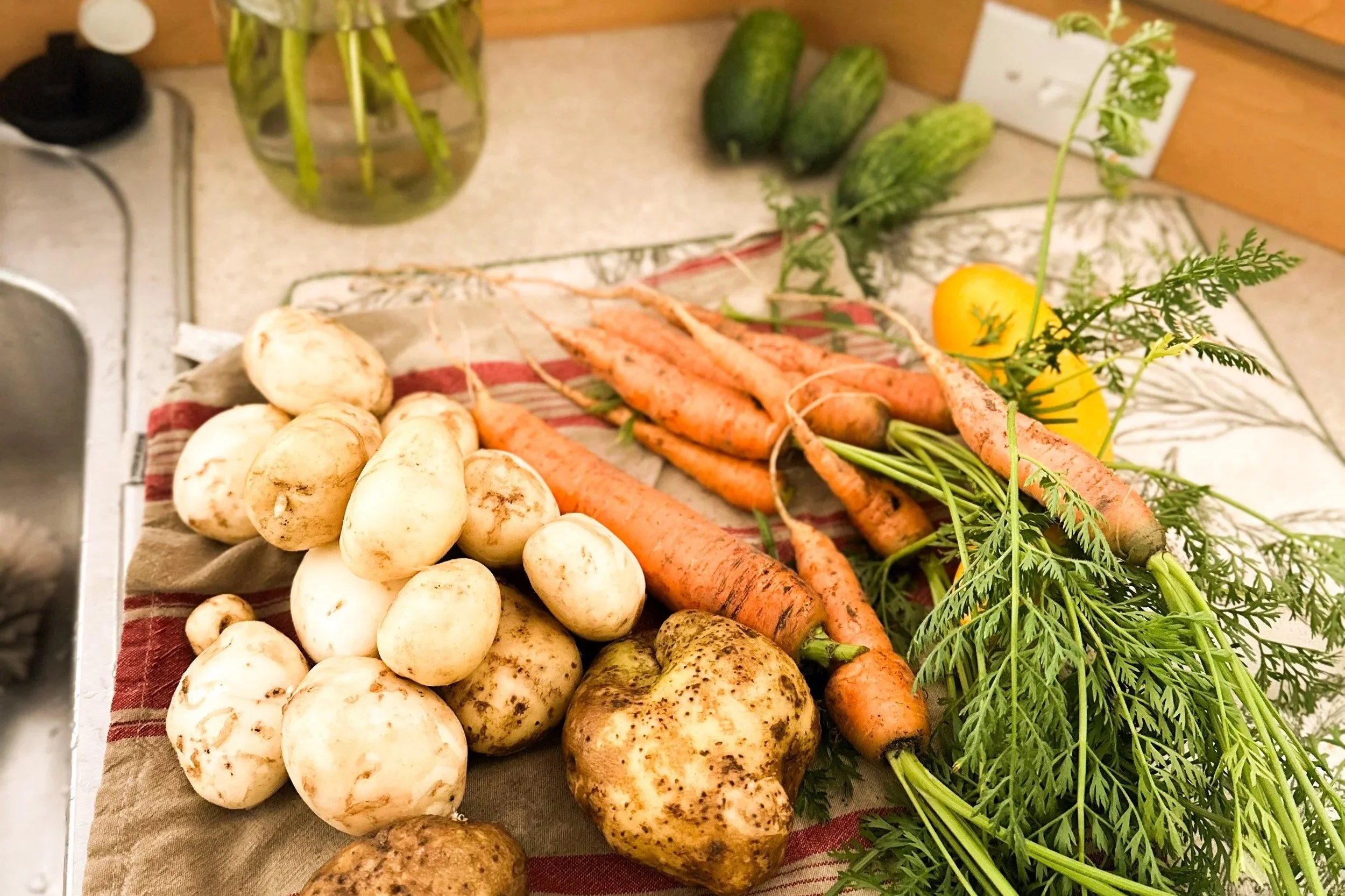
We recently received our results back from Function Health, and seeing that data laid out so clearly has been grounding. It confirmed what we’ve felt for a while: inflammation and imbalance have been quietly shaping more than we realized. For the adults, this means moving forward with deeper testing—autoimmune markers, more comprehensive thyroid panels, and hormone evaluation.
I’ve known I’ve had thyroid issues for years, but last summer I neglected my own follow-up care. I came off medication simply because I didn’t go back for reevaluation and bloodwork. Since then, the symptoms I’ve always associated with unmanaged thyroid dysfunction—rapid weight gain, deep fatigue, and brain fog—have returned in full force. The scale has jumped 25–30 pounds, but more than that, my ability to function day-to-day has been affected. Addressing this is no longer optional.
This journey isn’t just about me.
We’re also beginning to look into baseline testing for our kids—not because something is “wrong,” but because we want to be intentional. We’re especially interested in microbiome testing and nutritional bloodwork so we can understand what their bodies need, rather than blindly eliminating foods or following trends. Our goal is to support their health thoughtfully, not restrictively.
As we dig deeper, it’s becoming clear that an anti-inflammatory lifestyle will be a major focus for our family moving forward. That means paying closer attention to what we eat, what we’re exposed to, and how everything works together. Reading ingredient labels alone has been eye-opening—corn, dairy, gluten, soy, and other inflammatory triggers are everywhere, often hidden under different names.
This awareness has extended beyond our plates and into our land and livestock practices. Feed sourcing, especially corn-based feeds, has proven to be far more complicated than it appears on the surface. Even products labeled “corn-free” often contain premixes that are not. Understanding how these inputs carry through the food chain has reinforced why transparency and stewardship matter so much to us.
We’re not trying to change everything at once. This will be a gradual process—layer by layer. Some things we’ll begin making ourselves, including foods that are typically ultra-processed, simply because we want full control over ingredients. Other things we’ll continue sourcing from trusted local producers whose practices align with our values. Community remains a vital part of this picture.
This shift is also influencing how we allocate our time and energy. By the end of peony season, I’ll be stepping away from the bulk of my cut flower production. Not because it isn’t meaningful work, but because feeding our family well, growing food, caring for animals, preserving harvests, and being present with our kids requires space. Health demands margin.
This is not a weight-loss journey. If weight changes, that’s secondary. This is about rebuilding a grounded, respectful relationship with food, our bodies, and the systems that support them.
Over the coming months—and likely years—this will become a larger part of what I share here. Not as an expert, but as a family learning, adjusting, and choosing health with intention.